The digital infrastructure sector is facing a shifting landscape: Equinix predicts that by 2026, 80% of enterprises will design and run new digital infrastructure using subscription-based services. This trend suggests a significant transformation in how organizations approach their digital infrastructure needs, moving away from traditional job roles and towards more flexible, service-oriented models. This talent gap, exacerbated by the "gray tsunami" of retiring professionals, threatens to undermine the industry's ability to sustain growth and innovation. As companies scramble to address this impending crisis, talent mobility has emerged as a key strategy for retention and growth.
Talent mobility is the strategic movement of employees within an organization to different roles, departments, locations, or even external opportunities. It encompasses promotions, lateral moves, job rotations, and cross-functional assignments, allowing employees to develop new skills while aligning with business needs. Effective talent mobility programs help companies retain top talent, enhance workforce agility, and improve employee engagement by offering career growth opportunities.
The Talent Mobility Imperative
The rapid pace of technological advancement in the digital infrastructure sector demands a workforce that is not only skilled but also highly adaptable. Traditional hiring practices are no longer sufficient to meet the evolving needs of the industry. Companies must now focus on developing internal talent through strategic upskilling and reskilling initiatives.
The Cost of Inaction
Failure to address the talent mobility gap can have severe consequences for businesses in the digital infrastructure sector:
- Delayed project timelines and increased costs
- Missed opportunities for innovation
- Reduced competitiveness in the market
- Difficulty in maintaining and scaling digital infrastructure
According to a survey by PwC, 54% of CEOs identified the lack of digital talent as a significant barrier to achieving transformation goals.
Emerging Trends Driving the Talent Mobility Gap
Several factors are contributing to the widening talent gap in the digital infrastructure sector:
- Rapid Technological Advancements: The pace of innovation in areas such as cloud computing, artificial intelligence, and automation is outstripping the rate at which traditional education and training programs can produce skilled professionals.
- Changing Job Roles: As technology evolves, job roles are being redefined, requiring employees to acquire new skills or enhance existing ones to meet changing industry demands.
- Increased Demand for Digital Services: This demand is driven by advancements in artificial intelligence, cloud computing, IoT, and automation. This shift is reshaping the job market, creating new roles and necessitating continuous upskilling and reskilling to meet evolving industry needs.
Upskilling and Reskilling: The Path Forward
To bridge the talent mobility gap, companies must invest in comprehensive upskilling and reskilling programs. These initiatives not only address immediate skill shortages but also foster a culture of continuous learning and adaptability.
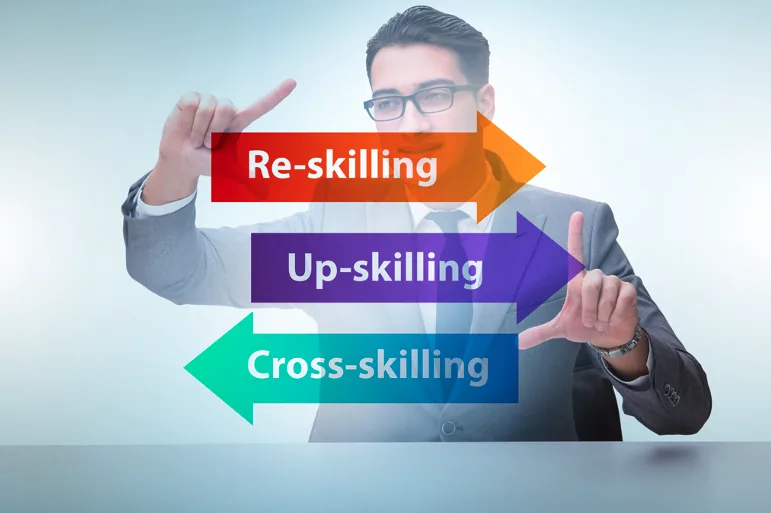
Upskilling vs. Reskilling
While both strategies aim to enhance employee capabilities, they serve different purposes:
- Upskilling focuses on improving current capacities to meet evolving job market demands.
- Reskilling involves learning new skills to transition into different roles within the organization.
Strategies for Effective Upskilling and Reskilling
- Align Learning with Business Objectives: Tie upskilling and reskilling efforts to specific business outcomes. For example, instead of a generic goal like "learn cloud computing," aim for "reduce infrastructure costs by 20% through optimizing cloud resource allocation and implementing serverless architectures."
- Embrace Diverse Learning Modalities: Offer a mix of learning formats, including online courses, microlearning, workshops, and peer learning, to cater to different learning styles and preferences.
- Foster a Culture of Continuous Learning: Encourage employees to embrace lifelong learning and provide clear pathways for advancement within the organization.
- Leverage Technology: Utilize AI-powered platforms like Innovorg to identify skill gaps, deliver personalized learning experiences, and track progress in real-time.
- Collaborate with Educational Institutions: Partner with universities and vocational training programs to develop curricula that align with industry needs and create a pipeline of skilled talent.
Case Study: Microsoft’s Global Skills Initiative
Microsoft’s Global Skills Initiative, launched in 2020, was a groundbreaking effort to address the global skills gap in the evolving digital economy. The program aimed to skill or reskill 25 million people worldwide by the end of 2020 and was supported by $20 million in grants for nonprofit organizations to assist underserved communities.
The initiative focused on three key areas: using data to identify in-demand jobs and required skills, offering free training resources for these roles, and connecting learners with job opportunities through certifications and tools. As a result, millions of individuals gained the skills needed to thrive in a digital-first economy, helping businesses address critical talent shortages while empowering job seekers to adapt to changing workforce demands.
This case study exemplifies how targeted upskilling programs can effectively bridge the talent mobility gap and align workforce capabilities with industry needs.
The Role of Leadership in Driving Talent Mobility
For upskilling and reskilling initiatives to succeed, leadership must play an active role in:
- Cultivating an inclusive environment that encourages learning and experimentation
- Providing resources and support for employee development
- Recognizing and rewarding skill acquisition and application
Bridging the Gap for a Resilient Future
As the digital infrastructure sector continues to evolve, companies that prioritize talent mobility through strategic upskilling and reskilling will be best positioned to overcome the challenges posed by the talent gap. By investing in their workforce and fostering a culture of continuous learning, organizations can build a more agile and resilient team capable of driving innovation and maintaining a competitive edge in the rapidly changing digital landscape.
The future of the digital infrastructure sector lies not just in technological advancements, but in the hands of a skilled and adaptable workforce. It's time for companies to mind the talent mobility gap and take decisive action to bridge it.
Let’s work together to build a skilled, agile workforce that can meet the demands of tomorrow's digital landscape by connecting with Innovorg today! Contact us at contact@innovorg.com.