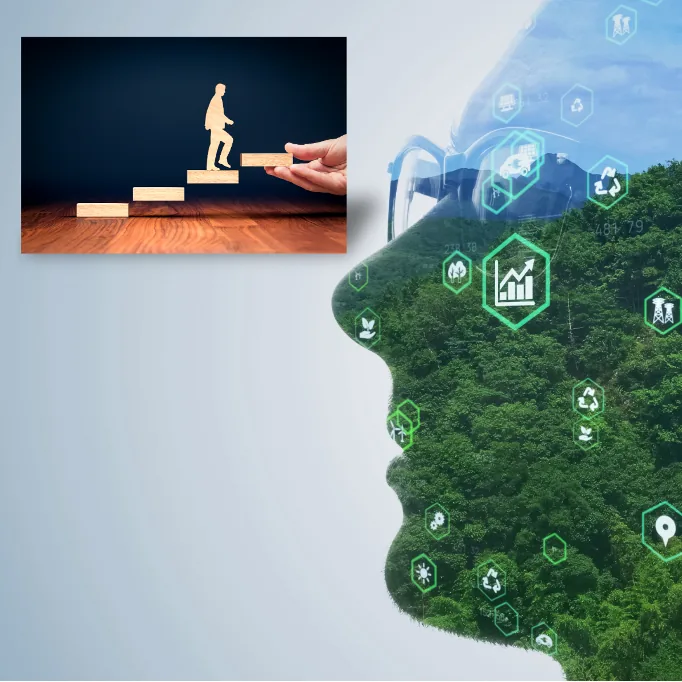
The widening skills gap in cloud computing and SaaS technologies remains a growing challenge for organizations. As businesses increasingly migrate to cloud-based solutions, the demand for skilled professionals who can navigate this complex ecosystem has skyrocketed. This blog post explores the future of Learning and Development (L&D) in the context of cloud computing and how organizations can prepare their workforce for the challenges ahead.
The Growing Cloud Skills Crisis
The adoption of cloud technologies has been nothing short of revolutionary. According to Gartner, global end-user spending on public cloud services grew 20.7% to a total $591.8 billion in 2023, up from $490.3 billion in 2022. This rapid growth has created a significant skills gap in the industry, with organizations struggling to find and retain talent with the necessary cloud expertise.
The shortage of cloud-skilled professionals is having a tangible impact on businesses across sectors. A recent study by IDC found that nearly two-thirds of organizations surveyed reported a gap between their team's skill levels and the knowledge required to achieve business objectives. This skills deficit not only hampers innovation but also poses significant security risks as companies rush to implement cloud solutions without adequate expertise.
Emerging Trends Shaping L&D in Cloud Computing
As the demand for cloud skills continues to surge, several key trends are emerging in the L&D space:
- Personalized Learning Paths: AI-driven platforms are enabling customized learning experiences tailored to individual skill levels and career goals.
- Micro-learning and Just-in-Time Training: Bite-sized, on-demand learning modules are becoming increasingly popular, allowing professionals to acquire specific skills as needed.
- Hands-on Virtual Labs: Immersive, cloud-based training environments provide practical experience without the risks associated with live systems.
- Continuous Learning Culture: Organizations are shifting towards fostering a culture of ongoing skill development to keep pace with rapidly evolving technologies.
How Innovorg Addresses Growing Challenges
As the need for continuous learning becomes increasingly critical in the data center, cloud, and hosting space, Innovorg offers a comprehensive solution to help organizations and professionals stay ahead of the curve. Our innovative platform is specifically designed to address the unique challenges faced by companies in this rapidly evolving sector.
Innovorg's Skills Module provides a powerful tool for organizations to catalog, assess, and track the skills of their workforce. This enables companies to:
- Identify critical skill gaps within their teams
- Align employee skills with evolving job roles and industry demands
- Make data-driven decisions about training and development initiatives
By establishing a clear baseline of current skills and comparing it against industry standards and future needs, organizations can create targeted learning pathways for their employees.
Adaptive Learning Experiences
The Training Module in Innovorg's platform delivers personalized learning experiences based on identified skills gaps. This approach ensures that:
- Employees focus on acquiring the most relevant and in-demand skills
- Learning is efficient and tailored to individual needs
- Organizations maximize their return on investment in training
By aggregating and curating content from leading industry sources, Innovorg provides access to up-to-date, high-quality training materials across a wide range of technical, soft, and functional skills.
Certification and Job Scorecard Modules
With the Certification Module, Innovorg streamlines the process of managing both external professional certifications and in-house company certifications. By Helping organizations track certification targets, it can ensure compliance with industry standards and regulations, while also motivating employees through clear pathways for professional development.
The Job Scorecard Module redefines traditional performance reviews by fostering ongoing collaboration between managers and employees. This module provides real-time tracking of skill development and performance, facilitates continuous feedback, and aligns individual career goals with organizational objectives.
Case Study: CloudLinux's Success with Innovorg
A prime example of Innovorg's impact is our partnership with CloudLinux. By implementing Innovorg's comprehensive skills-based approach, CloudLinux achieved significant improvements in employee satisfaction and customer support quality. Key outcomes included:
- Customer satisfaction scores improved from the 70th percentile to the 90th percentile
- Job satisfaction among employees soared after implementing the new training program
- Enhanced information sharing across CloudLinux's global workforce of over 300 remote employees.
This success story demonstrates how Innovorg's platform can transform workforce development and drive tangible business results in the cloud and data center space.
The Road Ahead: Bridging the Skills Gap
To address the cloud skills crisis and prepare for the future of L&D, organizations should consider the following strategies:
- Invest in Comprehensive Training Programs: Develop or partner with providers offering cloud certification training courses that cover a wide range of topics from basic cloud computing to advanced SaaS implementations.
- Embrace Hybrid Learning Models: Combine traditional classroom training with online courses and hands-on labs to provide a well-rounded learning experience.
- Foster a Culture of Continuous Learning: Encourage employees to pursue cloud certifications and provide incentives for skill development.
- Leverage Partnerships: Collaborate with cloud service providers and educational institutions to access cutting-edge training resources and stay abreast of industry trends.
- Implement Skills Assessment and Gap Analysis: Regularly evaluate your team's capabilities against industry benchmarks to identify areas for improvement.
As we look to the future, it's clear that the landscape of L&D in cloud computing will continue to evolve rapidly. Organizations that prioritize continuous learning and adapt their training strategies to meet the changing needs of the industry will be best positioned to thrive in the cloud-driven digital economy.
Training and managing remote technical teams requires a strategic approach that combines cutting-edge technology, clear communication, and a commitment to continuous learning.
For more information on how Innovorg can help you optimize your team’s future learning and ongoing professional development training and management strategies, request a demo from Innovorg here.